
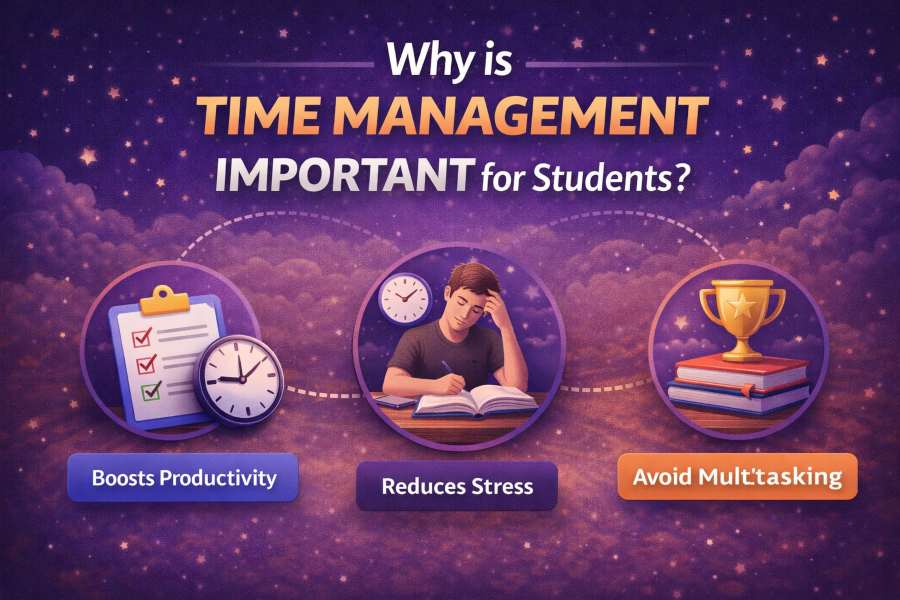
Time management is an essential skill for students at all levels of education. Mastering this skill can help you stay organized, reduce stress, and achieve your academic goals more efficiently. Whether you are in high school, college, or pursuing advanced studies, time management enables you to balance your academic responsibilities with personal activities, extracurriculars, and even rest.
This article explores the importance of time management for students and provides practical tips to help you stay on track.
Understanding Time Management for Students
Effective time management allows students to allocate specific time slots for each task, making it easier to meet deadlines and prioritize workloads. It helps create a structured routine, improving overall productivity. When students effectively manage their time, they can reduce anxiety about upcoming exams and assignments, leading to a more balanced academic and social life.
Good time management also promotes mental health, as students experience less stress when they feel in control of their time. With the help of efficient planning, students can avoid last-minute cramming and the overwhelming feeling of being behind in their studies.
To enhance your time management skills, consider using tools like the minutes to hours online converter for quick time calculations. This can help you plan your schedule more effectively, especially when converting time units for assignments or deadlines.
Key Benefits of Time Management for Students
There are numerous benefits that students gain from practicing time management. First, it helps you avoid procrastination, which is often a major obstacle to academic success. Procrastination can lead to rushed work, lower-quality results, and increased stress. By managing time well, you can ensure that tasks are broken down into manageable parts, giving you a clearer path to completing assignments on time.
Second, time management improves focus and concentration. With a set schedule, you are less likely to get distracted by unnecessary activities and more likely to stay engaged in your work. A well-structured schedule leads to improved academic performance, as you spend your time studying and reviewing efficiently.
Lastly, effective time management can lead to greater personal growth. By practicing discipline and planning, students develop critical skills that benefit them beyond their academic life. These include goal setting, prioritization, and decision-making abilities, which are valuable in any career.
Students can improve their productivity and time management by learning the importance of deep work tips. These strategies emphasize focused work sessions, free of distractions, to boost efficiency.
Strategies for Effective Time Management
To manage your time effectively, you need to implement strategies that work for your unique needs and schedule. Here are some proven time management strategies that can help:
- Set Clear Goals: Break down your long-term goals into smaller, achievable tasks. This makes large projects feel less overwhelming and more manageable.
- Use a Planner: Whether it’s a physical planner or a digital tool, having a visual layout of your schedule allows you to stay organized. Write down all your tasks, exams, and deadlines to avoid forgetting important dates.
- Prioritize Tasks: Not all tasks are created equal. Identify urgent tasks and focus on completing them first, followed by less important ones. This helps reduce the feeling of being overwhelmed.
- Avoid Multitasking: It’s tempting to juggle multiple tasks, but this often reduces efficiency. Focus on one task at a time to ensure better quality results.
- Take Breaks: Schedule breaks between study sessions to rest and recharge. This prevents burnout and keeps your mind fresh for the next task.
Using a habit tracker for atomic habits can help monitor your progress and reinforce the routine of good time management.
The Impact of Time Management on Mental Health
Effective time management has a significant impact on your mental well-being. When students fail to manage their time, they may experience increased stress and anxiety. Overloaded schedules and unmet deadlines can lead to burnout, a state of emotional and physical exhaustion.
By practicing time management, students can reduce feelings of stress and gain more control over their workload. With fewer distractions and the ability to balance study time with personal time, students are more likely to feel a sense of accomplishment, which in turn boosts mental health.
How Time Management Promotes Academic Success
One of the most significant advantages of time management is its positive effect on academic performance. When students manage their time properly, they can dedicate focused blocks of time to studying, ensuring better retention and understanding of the material. A structured approach allows for consistent study habits, reducing the need for last-minute cramming.
Additionally, time management provides opportunities for reviewing material and practicing problem-solving. With proper planning, students can tackle assignments early and avoid unnecessary stress before exams. The key is to break tasks into smaller, more manageable steps, setting deadlines for each part.
A great way to implement time management in your studies is to use a study timetable for home. A customized timetable can help you balance your academic and personal life, ensuring you stay on top of your tasks.
Time Management Tools to Enhance Your Study Habits
Several tools can assist students in better managing their time. From digital apps to traditional planners, these resources are invaluable for maintaining organization. Popular time management tools include:
- Time Tracking Apps: These apps help students monitor how much time they are spending on various tasks. Popular options like Toggl or RescueTime can help you identify where your time is going and adjust accordingly.
- Calendars: Using a calendar, either physical or digital, helps students track deadlines, appointments, and important events.
- Pomodoro Timers: This technique involves working in focused intervals (typically 25 minutes) followed by a short break. It helps maintain concentration while preventing burnout.
These tools provide structure and discipline, making it easier for students to stay on top of their work and improve productivity.
Time Management for Personal Growth
Effective time management isn’t only about academic success; it also plays a crucial role in personal development. By managing your time well, you can dedicate time to hobbies, self-care, and social activities. These experiences contribute to your overall growth, which enhances your ability to perform academically.
The discipline and organizational skills developed through time management can also improve your career prospects. Employers highly value time management skills as they demonstrate an ability to meet deadlines and work efficiently under pressure.
Conclusion
In conclusion, time management is one of the most important skills students can develop. It has a profound impact on academic performance, mental health, and personal growth. Students who manage their time well enjoy reduced stress, improved productivity, and greater success in their studies. By applying time management strategies such as goal setting, prioritizing, and using helpful tools, students can maintain a balanced lifestyle and set themselves up for long-term success.
The process of implementing time management into your daily routine may seem daunting at first, but it becomes easier with consistent practice. Begin by using simple tools like a minutes to hours online converter to help you schedule your tasks effectively. Embrace the benefits of effective time management, and you’ll notice a significant improvement in your academic and personal life.